Collector research by Alex
Quick answer
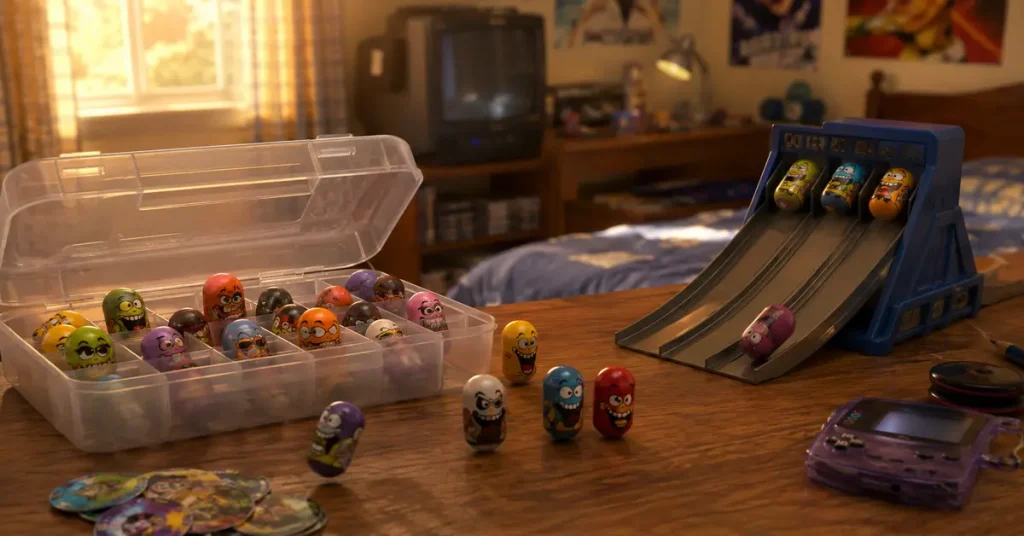
Mighty Beanz collector cases help organize and transport loose beans, but designs and capacities vary by release. Buyers should inspect hinges, closures, trays, labels and whether the case matches the collection era.
Key takeaways
- Case capacity should be recorded with its release context.
- Tray condition should be recorded with its release context.
- Latch security should be recorded with its release context.
- Release matching should be recorded with its release context.
- Label uncertain findings instead of converting them into facts.
I’m Alex, the editor of MightyBeanz.info. I research mighty beanz collector case by comparing physical evidence, original documentation and release-specific references.
Mighty Beanz Collector Cases: Types, Storage and Buying Tips overview
Mighty Beanz collector cases help organize and transport loose beans, but designs and capacities vary by release. Buyers should inspect hinges, closures, trays, labels and whether the case matches the collection era. The key limitation is that Mighty Beanz appeared in multiple release periods. A number, series label, color or seller description is meaningful only after the release era is established.
Create a basic evidence record before researching names, rarity or value. Photograph both sides and note copyright details, number, shell style, finish, movement, packaging and visible wear.
Evidence to record
The following details are especially useful for mighty beanz collector case:
- Case capacity: describe what is visible and name the supporting source.
- Tray condition: describe what is visible and name the supporting source.
- Latch security: describe what is visible and name the supporting source.
- Release matching: describe what is visible and name the supporting source.
Original packaging and matching inserts normally provide stronger context than marketplace wording. If sources conflict, preserve the disagreement and use a probable or uncertain status.
Reference table
| Detail | Recommended action | Limitation |
|---|---|---|
| Case capacity | Compare it with a confirmed example. | This clue is not conclusive by itself. |
| Tray condition | Record it beside the year and series. | This clue is not conclusive by itself. |
| Latch security | Compare it with a confirmed example. | This clue is not conclusive by itself. |
| Release matching | Record it beside the year and series. | This clue is not conclusive by itself. |
The table is an inspection aid rather than an official checklist. Add photographs and source notes so another collector can understand how each conclusion was reached.
Step-by-step method
- Step 1: Count usable compartments. Save the result in the item record.
- Step 2: Inspect hinges and closures. Save the result in the item record.
- Step 3: Confirm included inserts. Save the result in the item record.
Finish by assigning confirmed, probable or uncertain confidence. This prevents incomplete evidence from being presented as a definitive identification.
Use the Mighty Beanz checklist and identification guide for the underlying inventory process.
Mistakes to avoid
Do not mix release eras, rely on a single photograph, assume old means rare or use an active asking price as proof. Temporary listing scarcity and inaccurate titles can create a misleading impression.
Avoid opening, repainting, gluing or aggressively cleaning a collectible. These changes can remove evidence, alter condition and create safety concerns when a sealed shell or playset is damaged.
Buying and collector guidance
Ask for clear photographs of the actual item and confirm quantity, condition, packaging and included parts. Price mixed or uncertain items conservatively and plan for duplicates.
Once identity is reasonably confident, compare recent completed sales for matching examples. The Mighty Beanz value guide explains how to separate transaction evidence from seller expectations.
Related guides
Continue the topic cluster with How to Create a Mighty Beanz Checklist Spreadsheet and Mega Beanz Explained: Identification and Collector Guide. These links connect identification, care, history and buying decisions in a logical order.
Frequently asked questions
Q: What should I check first?
A: Check the copyright details, number and release style first. These details establish the context for other clues.
Q: Is a seller description reliable evidence?
A: It is a lead, not final evidence. Verify the description against photographs, original packaging and a release-matched checklist.
Q: Does an unusual feature prove rarity?
A: No. Wear, fading, repainting and legitimate variations can appear unusual. Documented release information is required.
Q: Should a sealed Mighty Bean be opened?
A: No. Opening it can create safety concerns and permanently change its collector condition.
Q: How should an uncertain item be cataloged?
A: Record every visible detail and photograph both sides. Mark the conclusion uncertain until stronger evidence appears.
Q: What sources are most useful?
A: Original packaging, matching inserts, manufacturer history and documented examples are useful. Marketplace claims should remain separate.
Research approach
This guide separates release evidence, physical condition and changing marketplace activity. Market listings can support price research but cannot prove production rarity.