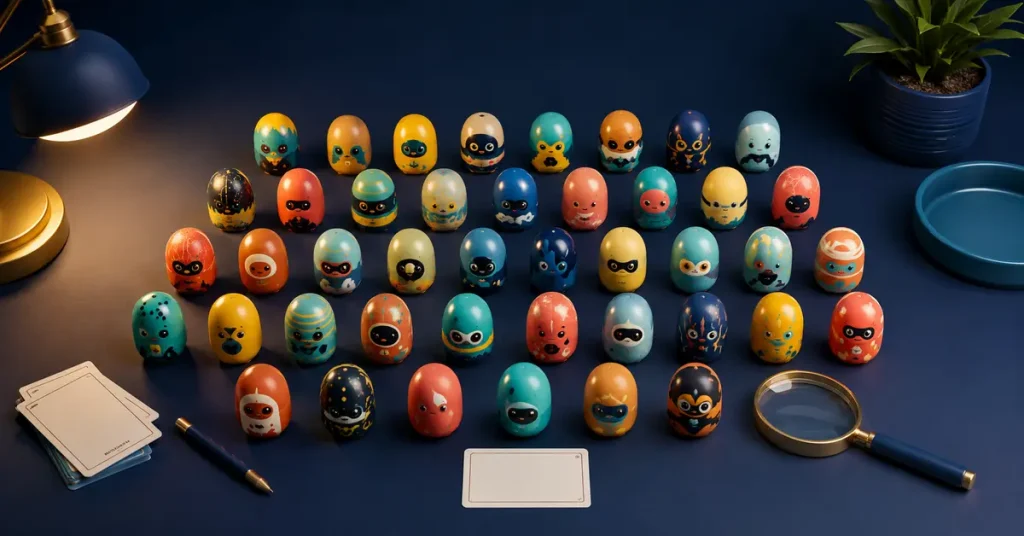
Collector research by Alex
Quick answer
Mighty Beanz Series 1 can refer to more than one launch period. Collectors should identify the year, package design, number range and shell style before using any Series 1 checklist.
Key takeaways
- Original-era Series 1 should be recorded with the correct release context.
- 2010 relaunch numbering should be recorded with the correct release context.
- 2018 relaunch format should be recorded with the correct release context.
- Licensed Series 1 sets should be recorded with the correct release context.
- Keep uncertain conclusions clearly labeled until stronger evidence appears.
I’m Alex, the editor of MightyBeanz.info. I approach Series 1 identification by separating confirmed evidence from marketplace descriptions and collector assumptions. That keeps the guide useful when packaging, dates or character details are incomplete.
Understanding Series 1 identification
Mighty Beanz Series 1 can refer to more than one launch period. Collectors should identify the year, package design, number range and shell style before using any Series 1 checklist. The important limitation is that Mighty Beanz appeared in different release periods. Names, numbers and series labels can repeat, so an observation only becomes useful after the year and product family are established.
I begin with the physical item or its original packaging. I photograph both sides, copy every visible mark and note the shell style, finish and condition. This evidence-first record is more dependable than starting with a seller title and trying to make the toy fit it.
Key facts to record
The most useful facts for this topic are the release era, series, number, artwork, finish, packaging and source. For Series 1 identification, the following details deserve particular attention:
- Original-era Series 1: record the visible evidence and where it came from.
- 2010 relaunch numbering: record the visible evidence and where it came from.
- 2018 relaunch format: record the visible evidence and where it came from.
- Licensed Series 1 sets: record the visible evidence and where it came from.
A single clue can point in the right direction without proving the conclusion. When two sources disagree, keep both notes and mark the record as uncertain rather than choosing the more exciting claim.
| Detail | How to use it | Guardrail |
|---|---|---|
| Original-era Series 1 | Use it as supporting evidence | Confirm it against packaging or a matching checklist. |
| 2010 relaunch numbering | Record it with the release context | Do not rely on this detail by itself. |
| 2018 relaunch format | Use it as supporting evidence | Confirm it against packaging or a matching checklist. |
| Licensed Series 1 sets | Record it with the release context | Do not rely on this detail by itself. |
How to research mighty beanz series 1
Start with manufacturer material, original package inserts and photographs of confirmed examples. Contemporary catalogs and release announcements can establish a time period, while collector databases may help locate names or numbers. A fan source remains secondary unless it shows where its information originated.
Marketplace results can demonstrate that an item has been offered or sold, but they do not establish its production quantity. For historical context, compare the original Mighty Beanz guide with the series and year checklist.
A practical step-by-step method
- Step 1: Photograph both sides. Write down what you observed instead of relying on memory.
- Step 2: Read copyright marks. Write down what you observed instead of relying on memory.
- Step 3: Match only same-era checklists. Write down what you observed instead of relying on memory.
After completing the steps, assign a confidence level: confirmed, probable or uncertain. Confirmed means several release-specific clues agree. Probable means the evidence points in one direction but a decisive source is missing. Uncertain preserves the item in the inventory without overstating what is known.
Common mistakes to avoid
The most common mistake is treating an active listing as a verified reference. Other problems include mixing release eras, using one side of a toy for identification, calling every unusual finish rare and assuming that age guarantees value.
Avoid cleaning, repainting, gluing or opening a collectible before documenting it. Changes can remove useful evidence and may affect safety or collector condition. If a toy is cracked or has loose parts, separate it from play items and follow the guidance for the exact product.
Buying and collecting guidance
When buying, request clear photographs of the actual item, not a stock image. Confirm quantity, visible damage, included accessories and whether the packaging belongs to the same release. For mixed lots, budget for duplicates and unidentified common pieces.
Use recent completed sales only after the item has been identified closely. The Mighty Beanz value guide explains why asking prices are not reliable valuations. Set a personal limit that includes shipping, fees and replacement parts.
Related collector resources
Continue with the relevant Mighty Beanz collector guide. The previous article in this publishing series is What Are Mighty Beanz and How Do They Work?, and the next topic is Mighty Beanz Series 2 Collector Guide.
These links form a connected research path: identify the release, record the evidence, evaluate condition and only then consider rarity or price. That order reduces duplicate purchases and unsupported conclusions.
Frequently asked questions
Q: What is the first thing I should check?
A: Check the copyright details, number and release style before using a checklist. Those clues establish the context needed to interpret the artwork or seller description.
Q: Can a marketplace listing confirm the identity?
A: A listing can provide clues, but it is not final proof. Compare its photographs with release-specific packaging, checklists or documented examples.
Q: Does an unusual color mean the item is rare?
A: No. Wear, fading, repainting and legitimate variations can all change color. Confirm the exact release and documented rarity tier first.
Q: Should I open a Mighty Bean to inspect the weight?
A: No. Opening the sealed shell can create safety concerns and permanently alter collector condition. Use exterior evidence and movement observations instead.
Q: How should I record an uncertain item?
A: Photograph both sides and record every visible mark, color, finish and condition detail. Label the identification uncertain until stronger evidence is found.
Q: Where can I continue researching?
A: Use original packaging, matching collector inserts, manufacturer history and release-specific guides. Keep marketplace claims separate from documented facts.
Research approach
This guide uses release context, original packaging evidence, manufacturer history and careful comparison of documented examples. Changing marketplace activity is treated as market evidence rather than proof of production rarity.