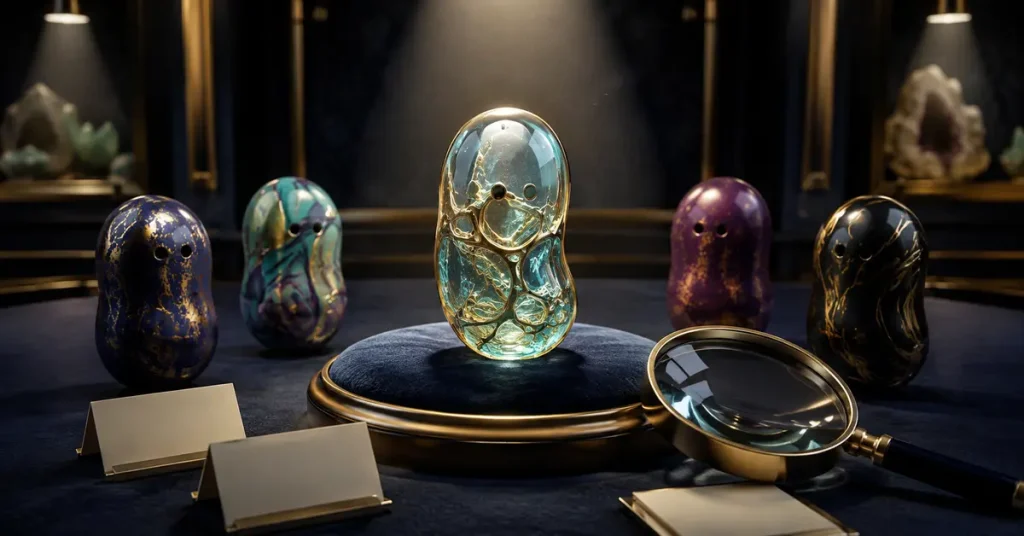
Collector research by Alex
Quick answer
A Mighty Bean should be called rare only when release-specific evidence supports that classification. An unusual color, a high asking price or a lack of current listings does not prove rarity by itself.
Key takeaways
- Identify the release before researching rarity.
- Find the rarity tier on a matching checklist or package.
- Separate production rarity from current marketplace scarcity.
- Check whether the item is a documented variant or simply worn.
- Use sold prices to study demand, not to prove production numbers.
I’m Alex, the editor of MightyBeanz.info. I use an evidence-first approach: identify the exact release, preserve uncertainty and separate documented facts from seller claims. This independent guide is not affiliated with Moose Toys or other trademark owners.
| Evidence | Strength | How to use it |
|---|---|---|
| Matching package checklist | Strong | Confirm that the checklist belongs to the same release and market. |
| Documented promotional distribution | Strong | Verify the event, retailer or promotion that supplied the bean. |
| Multiple collector records | Moderate | Compare independent examples and note where their evidence originated. |
| Completed sales | Market evidence only | Use sales to assess demand and price, not production quantity. |
| Active seller description | Weak | Treat words such as rare or limited as unverified until supported. |
What rare means in a collectible line
Rarity should refer to how an item was distributed or produced within a defined release. The term becomes meaningless when the series and market are missing.
Marketplace scarcity is different. An item can be absent from listings because owners are not selling it, because few people collect it, or because the search name is wrong.
Value is different again. Demand, condition and timing influence price even after rarity is verified.
Step 1: confirm the exact identity
Record the copyright mark, number, name, shell form, artwork and finish. Use the identification guide before opening a rarity list.
A 2002-era character and a 2010 relaunch item may share familiar numbering language while belonging to different rarity systems. Mixing them creates false matches.
If the identity is uncertain, the rarity must remain uncertain too.
Step 2: find release-specific evidence
Look for an original package checklist, collector insert, archived manufacturer material or a carefully sourced collector guide. The source should identify the same year, series and market.
Take a photo or save a citation showing the rarity statement. Record whether the source says rare, ultra rare, limited edition, special edition or another tier. Do not treat those terms as interchangeable.
Fan checklists can fill gaps, but compare them with packaging and document any disagreement.
Step 3: inspect the physical item
Compare the artwork, finish, number and color placement with a documented example. Natural wear can expose plastic and create a false two-tone effect. Sun fading can make a standard color look like a variant.
Look for repainting, added glitter, repaired seams and transferred accessories. Alterations should be disclosed even if the result resembles a known rare design.
Use soft light and close photographs. Avoid tests that scratch, heat, soak or open the toy.
Step 4: check distribution context
Some beans came from standard packs, tracks, promotions, licensed sets or employee gifts. The source of distribution can matter more than appearance.
An unnumbered track exclusive is not automatically rare. Confirm that the exact track included it and whether it was broadly sold.
Regional availability can create local scarcity without proving a small global production run.
Step 5: compare multiple documented examples
One photograph can be mislabeled. Compare several examples and look for consistent marks, colors and construction.
If all examples trace back to the same unsourced post, they are not independent confirmation. Prefer package photographs or collectors who show both sides and explain provenance.
Keep a confidence rating and the source links in the collection checklist.
Step 6: research market evidence separately
Completed sales can show whether buyers currently pay more for the item. They cannot establish production rarity unless the listing provides reliable release documentation.
Match condition and contents. A sealed promotional set cannot be compared directly with a worn loose bean.
The value guide explains how to build a dated range without relying on the highest asking price.
Rare, special edition and limited edition
Rare usually describes a tier within an assortment. Special edition often describes a different distribution method or design. Limited edition should imply a defined limitation, but the number needs a credible source.
Sellers sometimes combine all three terms in a title. Ignore the wording until the release evidence is checked.
Record the exact term used by the original source rather than replacing it with a stronger label.
Red flags in rare Mighty Beanz listings
Be cautious when a listing uses stock photos, hides the reverse, gives no copyright year, claims a production number without a source, or uses an active price as proof.
Other warning signs include inconsistent packaging, a character name that does not match the number and pressure to pay outside the marketplace.
Ask for current photographs and use protected payment methods. A genuine seller should be able to describe visible condition without inventing a story.
How to describe a potentially rare bean responsibly
Use wording such as “appears to match” when decisive evidence is missing. Name the release and source that supports the classification.
Disclose scratches, fading, repairs and package damage. Rarity does not cancel condition.
A careful description builds more trust than a dramatic claim and gives future collectors enough information to recheck the conclusion.
Frequently asked questions
Q: Are metallic Mighty Beanz always rare?
A: No. Metallic finishes appeared in different releases and rarity levels. Match the exact character and series to a release-specific checklist.
Q: Does a high listing price prove rarity?
A: No. A listing price is chosen by the seller and may never attract a buyer. Rarity needs release evidence, while market demand is studied through completed sales.
Q: Are unnumbered Mighty Beanz rare?
A: Some unnumbered items may be exclusives or promotional releases, but a missing number alone does not prove rarity. Identify the distribution source and compare documented examples.
Q: Can faded paint look like a rare color variant?
A: Yes. Sunlight, wear and cleaning can change color. Compare protected areas and multiple documented examples before calling the item a variant.
Q: Does limited edition always mean valuable?
A: No. A limited item can have weak demand, poor condition or uncertain authenticity. Value and rarity are related but separate questions.
Q: How should I store a rare Mighty Bean?
A: Keep it in a clean individual compartment away from sunlight, heat and moisture. Avoid adhesive labels and document its condition with dated photographs.
Research sources
Historical context was checked against Moose Toys’ company history, contemporary release reporting and collector references. Marketplace examples are treated as changing evidence, not fixed prices. Claims that could not be confirmed from release-specific material are labeled as uncertain.